
Blogs

Saint Mary Church
Saint Mary Church

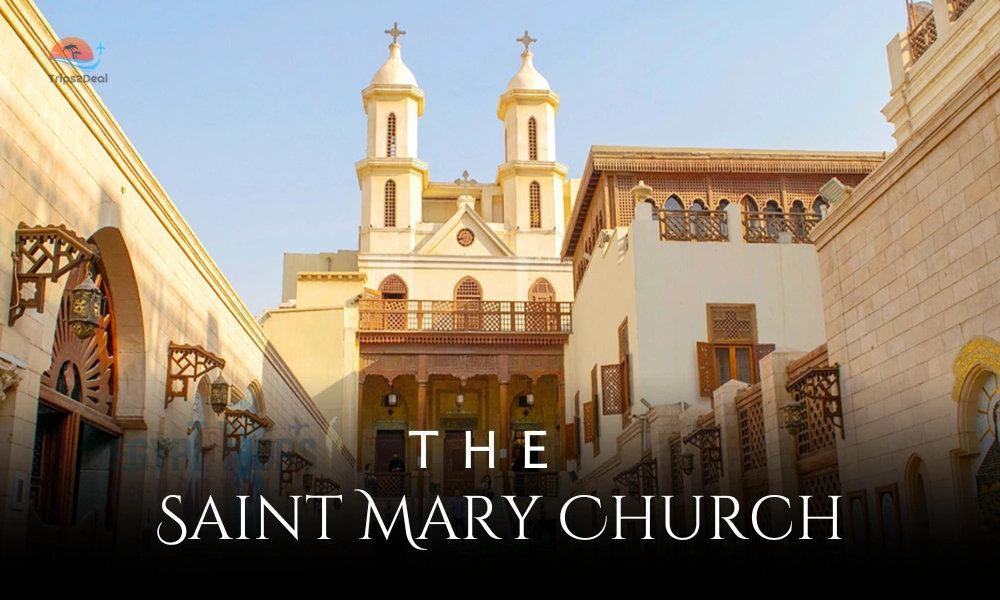
Among the most significant landmarks of the Coptic Orthodox tradition stands the Saint Mary Church. This is often referred to as the Church of the Holy Virgin Mary. As one of the most notable churches in Coptic Christianity, it carries deep historical, architectural, and spiritual importance. Its legacy spans nearly two millennia, reflecting the enduring presence of Egypt’s ancient Christian community, the largest Christian presence in the Middle East. 

This article examines its origins, cultural value, architectural style, and why Saint Mary Church remains a cornerstone of Coptic identity today.

1. Historical Background: One of the Oldest Christian Communities in the World

The Coptic Orthodox Church traces its origin to St. Mark the Apostle, who brought Christianity to Egypt around 48–50 AD. Due to its long history, many of Egypt’s Coptic churches, including Saint Mary Church, were built on ancient Christian sites.

Understands the Facts

  • Coptic Christianity is the oldest Christian tradition in Egypt and other African Countries.
  • Egypt was majority-Christian until the 7th century; by some estimates, 80–90% of Egyptians were Christian before the Arab conquest.
  • Many churches dedicated to the Virgin Mary were built after the Holy Family’s Biblical journey to Egypt. This is a route documented in early Christian manuscripts and recognized officially by the Egyptian government in 2017.

Saint Mary Church, but various churches by this name in Cairo, Giza, Assiut, and other regions often stand on locations traditionally linked to the Holy Family’s route. This lends these churches' extraordinary religious significance.
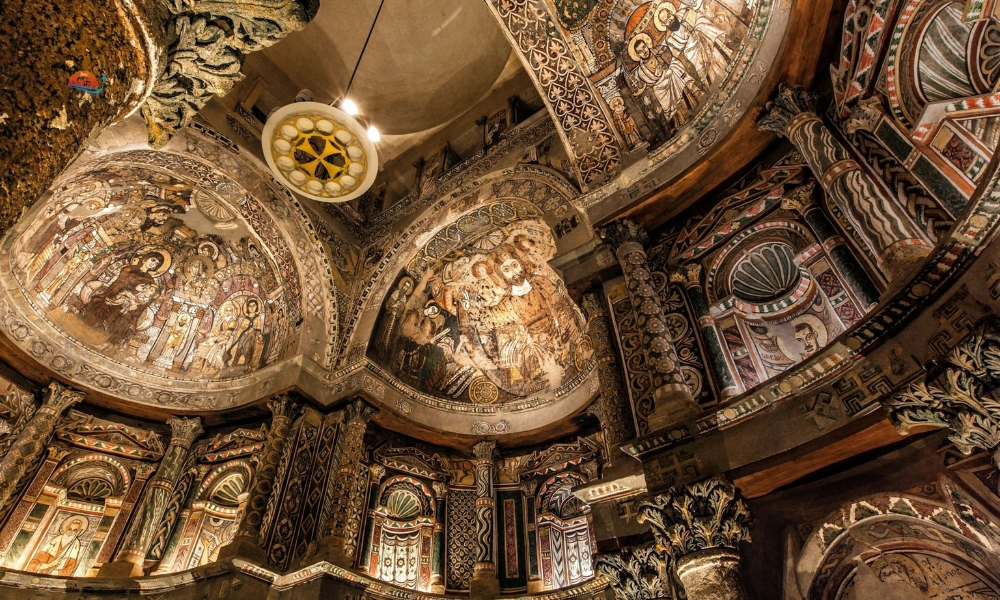
Saint Mary Church Coptic Christianity

2. Architectural Significance: A Blend of Ancient Egyptian & Christian Design

Coptic churches, including Saint Mary Church, preserve architectural styles that date back to late antiquity.

Verified Architectural Elements

  • Basilica-style layout with a nave, aisles, and an apse.
  • Iconostasis (screen) separating the sanctuary, typically carved from ebony or cedar wood.
  • Coptic icons depicting Christ, the Virgin Mary, and the saints, following strict theological art rules.
  • Domes and vaulted ceilings were influenced by early Egyptian monastic design.
  • Ancient inscriptions in Coptic and Greek, the liturgical languages of the church.

Many Saint Mary Churches also house relics, some dating back over 1,500 years, preserved in ornate wooden or silver reliquaries.
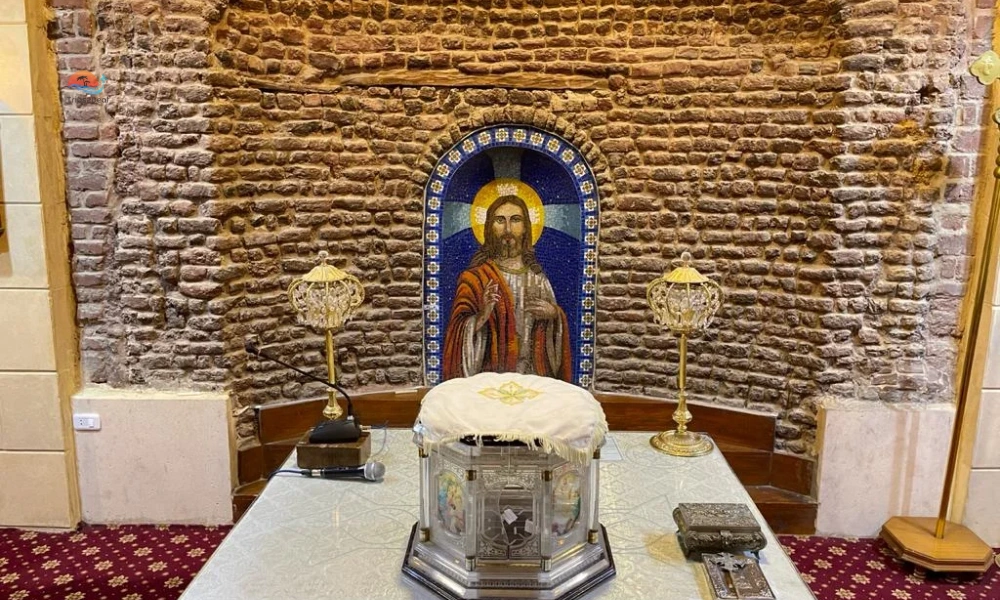
Saint Mary Church Architectural Elements

3. Religious Importance: Why Saint Mary Church Holds a Special Status

The Virgin Mary, known as Theotokos (Mother of God), has a central place in Coptic devotion.

Religious Facts

  • Coptic Christians commemorate the Virgin Mary in 32 annual feasts and fasts, more than any other saint.
  • Saint Mary Church is often the center of Marian apparitions. It may include the world-famous 1968–1971 Apparition of the Virgin Mary in Zeitoun. Millions witnessed the reports documented by the Egyptian government.
  • Thousands participate in the annual Fast of the Virgin Mary in August, one of the most observed fasts in Egypt.

For many believers, Saint Mary Church serves as a pilgrimage site for prayer, healing, and spiritual reflection.

4. Coptic Heritage & Cultural Identity

Saint Mary Church is not only a religious site but also a living museum of Egyptian Christian civilization.

Cultural Contributions

  • Preserves the Coptic language, the final stage of the ancient Egyptian language.
  • Safeguards liturgical music that descends from Pharaonic temple melodies.
  • Exhibits ancient manuscripts, some of which were written between the 6th and 12th centuries.
  • Acts as a center for charity, education, and community support.

Today, the Coptic Orthodox community includes 10–15 million believers. This makes it one of the largest Christian populations in the Middle East.


Trips2Deal Logo
Private 
hurghada City Tour
with tour guide


5. Tourism & Global Recognition

Saint Mary Churches across Egypt attract tourists, scholars, and pilgrims.
Many are listed by:

  • UNESCO
  • Egypt’s Ministry of Tourism
  • International archaeological organizations

The Holy Family Route, including several Saint Mary Churches, is now promoted as one of Egypt’s most historically significant Christian heritage routes.

6. Why Saint Mary Church Remains Important Today

Saint Mary Church continues its mission as:

  • A guardian of Early Christian tradition
  • A center of worship for millions
  • A symbol of Egyptian Christian resilience
  • A bridge between ancient and modern religious identity

Its architecture, relics, and historical significance make it a unique monument in global Christian heritage.

Conclusion: Explore the Saint Mary Church

Saint Mary Church stands as one of the most notable Coptic churches, rich in history, spirituality, and cultural heritage. It remains a vital symbol of Egypt’s Christian identity, with its ancient foundations, distinctive architecture, and profound religious importance. This has become a landmark visited by scholars, tourists, and worshippers alike.